(seafood.vasep.com.vn) In recent years, Ninh Binh Province has intensified the application of science and technology in aquaculture in order to improve productivity, product quality, and economic efficiency.
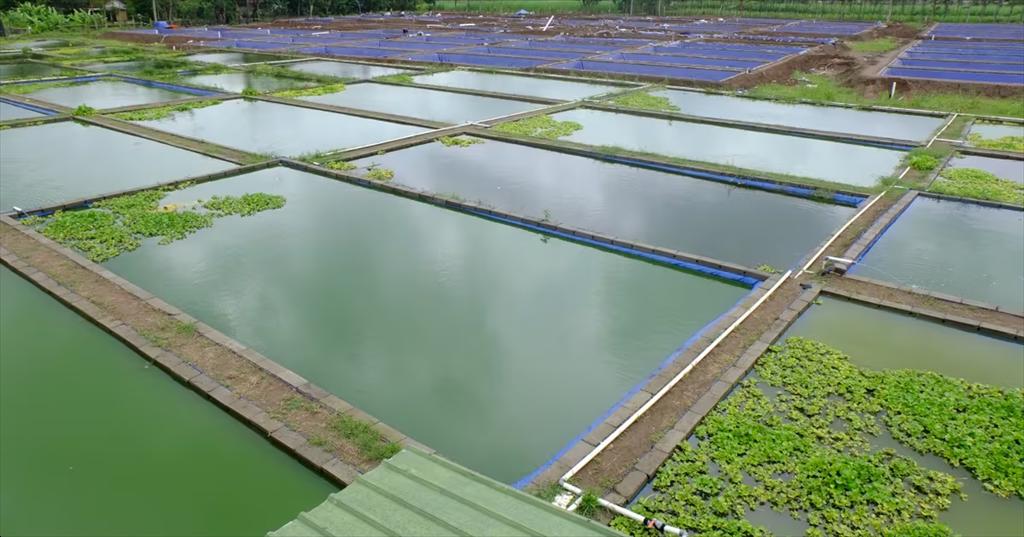
From traditional extensive and improved extensive farming models, Ninh Binh’s aquaculture sector has gradually shifted toward semi-intensive, intensive, and high-tech farming models that meet VietGAP standards for marine aquaculture. This is considered an important step in meeting increasingly stringent requirements from both domestic and export markets, while also improving production efficiency for farmers.
Currently, many concentrated farming areas applying high technology have been established in brackish-water farming zones such as Hai Xuan, Hai Thinh, Giao Ninh, Giao Minh, Rang Dong, Kim Dong, and Binh Minh. These areas are regarded as key locations for applying modern farming processes to increase productivity and reduce production risks.
At the same time, many technological advances are being widely adopted by farmers, including 2–3 stage farming systems, lined-pond technology, recirculating aquaculture systems, and the use of probiotics instead of antibiotics and chemicals in aquaculture. These solutions not only help improve farming environments but also support safer and more environmentally friendly production.
One notable example is Mr. Cao Van Ba in Giao Ninh Commune, who has more than 25 years of experience in whiteleg shrimp farming. Previously, traditional farming methods did not bring high economic returns. Recognizing the need for change, Mr. Ba boldly invested more than VND 6 billion in building a high-tech shrimp farming system that meets VietGAP standards.
Today, his family owns more than 5 hectares of high-tech shrimp ponds equipped with lined pond bottoms and overhead covers to stabilize water temperature. Thanks to this model, each crop is harvested 2–3 months earlier than traditional farming methods in northern provinces. During each winter crop, 1,000 square meters of ponds can produce 5–6 tons of market-size shrimp, generating annual revenues worth billions of Vietnamese dong for the family.
Beyond improving productivity and product quality, the application of science and technology in aquaculture is also contributing to a shift in local production thinking. Many shrimp farming cooperatives have been established, gradually building value chains from production to harvesting, with quality management, traceability, and product branding development.