(seafood.vasep.com.vn) An Giang’s fisheries sector has maintained stable growth momentum during the first nine months of 2025, making an important contribution to the province’s socio-economic development. Despite facing numerous challenges, the province is implementing various measures to enhance production efficiency, expand markets, and promote sustainable fisheries development toward deeper integration into the global economy.
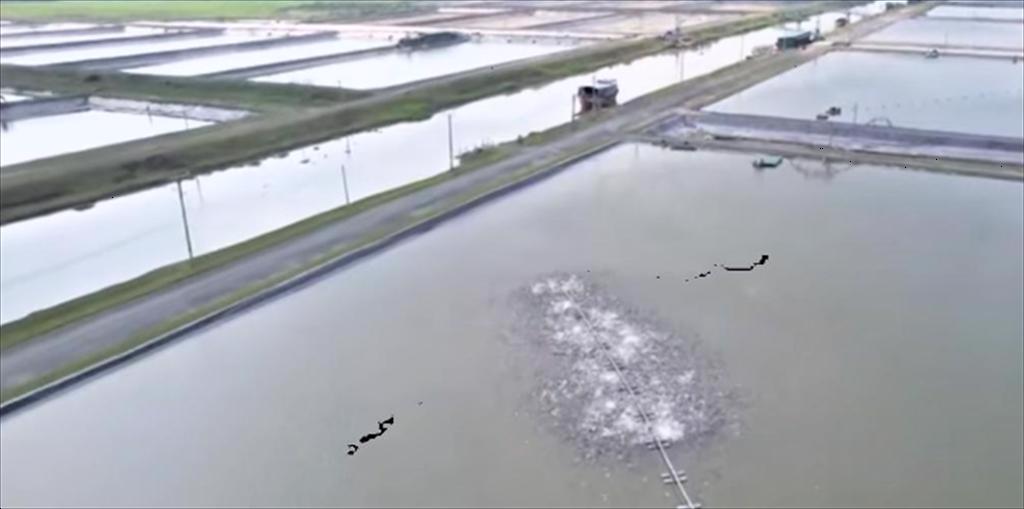
An Giang’s fisheries sector makes an important contribution to the province’s socio-economic development.
Output exceeds plan, pangasius remains the key product
According to the Department of Agriculture and Environment of An Giang province, in the first nine months of 2025, the province’s total aquatic production recorded impressive growth, with the full-year output expected to surpass 1.6 million tons. Of this, pangasius remains the key product with an estimated output of 648,961 tons; brackish water shrimp exceeds 155,000 tons; and cage fish farming at sea reaches about 100,000 tons. Marine fishing activities have also surpassed annual targets.
These positive results reflect the stability of production as well as the concerted efforts of local authorities, residents, and enterprises in management, investment, application of new technologies, and market expansion.
However, despite these achievements, An Giang’s fisheries sector continues to face various challenges — particularly the impacts of climate change and complex aquatic disease outbreaks.
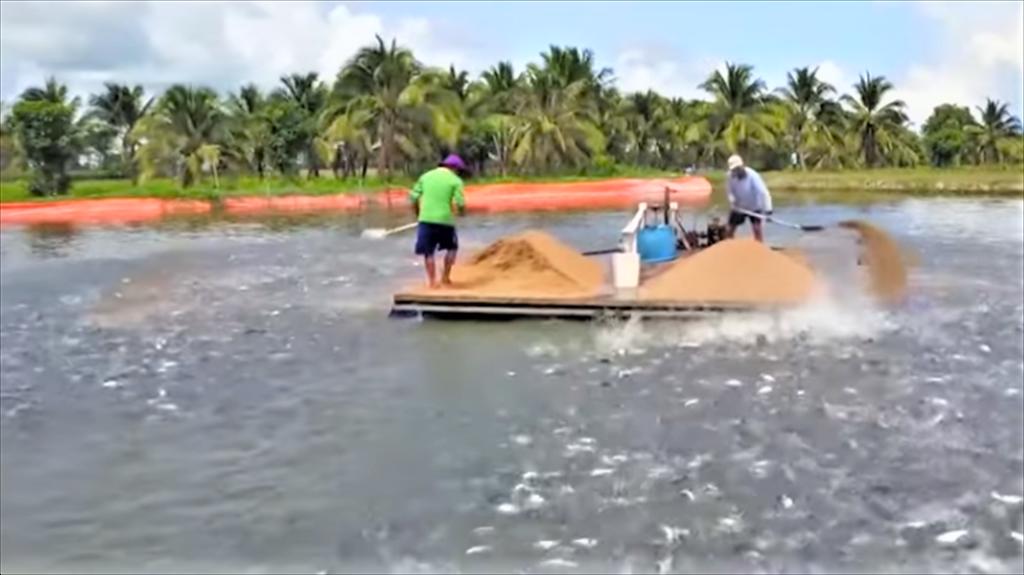
In the first nine months of 2025, the province’s total aquatic production recorded impressive growth.
The province is also dealing with declining natural aquatic resources, reduced capture yields, and a low rate of high-tech application in offshore aquaculture. These remain major barriers to improving productivity, disease control, and meeting the strict quality requirements of demanding export markets.
Comprehensive measures to restructure production models
To address these challenges, An Giang has introduced multiple policies and solutions to support the fisheries sector.
According to the Department of Agriculture and Environment, from now until the end of the year and in subsequent years, the province will focus on implementing the Fishermen Occupation Transition Project, especially targeting small-capacity, nearshore fishing vessels. The goal is to ensure stable livelihoods, reduce pressure on natural resources, and eliminate destructive fishing methods such as electric shock and chemical use.
The province also actively promotes high-tech aquaculture development, targeting models such as shrimp–rice farming, black tiger shrimp–giant freshwater prawn farming, and HDPE cage farming with modern technology for offshore aquaculture, ensuring both environmental protection and productivity.
At the same time, An Giang is strengthening value chain linkages, expanding export markets, and enhancing the efficiency of its fisheries value chain. The province is promoting contract-based production with major enterprises and export markets, focusing on key products such as pangasius and brackish water shrimp with high-quality standards and traceable origins to meet strict international requirements.
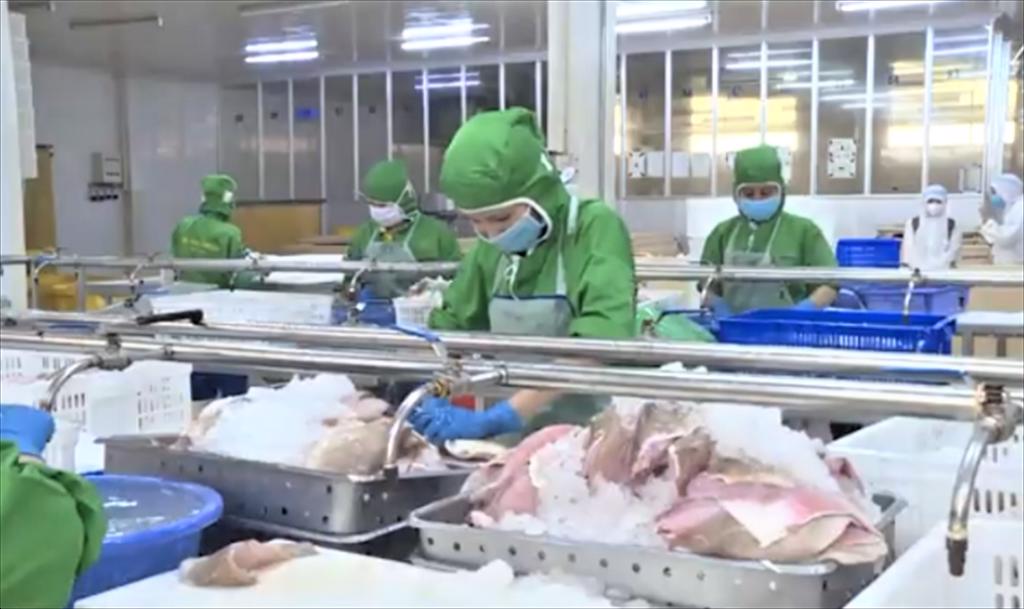
An Giang enhances the quality of aquatic product processing.
In parallel, An Giang is improving its deep processing capacity to enhance the added value of local aquatic products. Developing signature products associated with local brands is considered a strategic direction to elevate An Giang’s fisheries sector on the export map.
With a vision to 2030, An Giang aims to become a major fisheries center in the Mekong Delta region. During 2026–2030, the province targets total aquatic production of over 9.2 million tons, an increase of 24.2% compared to 2021–2025. The aquaculture area is expected to rise by 47.1%, with cage fish farming increasing 46.1%, shrimp 42.9%, and other species such as mollusks and crabs 45.65%.
To achieve these goals, An Giang is focusing on aquaculture zoning in coastal and island areas, combining with ecological and organic aquaculture in mangrove and saline rice–shrimp areas.
The province also emphasizes comprehensive fisheries infrastructure investment, including fishing ports, landing sites, anchorage areas, logistics systems, and supporting industries. The long-term goal is to make An Giang a strong marine economic center, linked with national major fishing hubs and concentrated raw material areas.
A key orientation in An Giang’s fisheries development is integrating production with aquatic resource conservation and marine ecotourism development. Combining aquaculture with coastal ecosystem protection and community-based tourism is seen as a multi-value development model that helps stabilize livelihoods and generate additional income for local residents.
With a clear strategic vision, strong government determination, and the active participation of local communities and businesses, An Giang’s fisheries sector is gradually asserting itself as a pillar industry, contributing positively to marine economic growth and international integration. The province is not only targeting quantitative growth but also pursuing quality, efficiency, and sustainability — the key factors for maintaining its position in both domestic and global markets.