A significant milestone was the signing of the Comprehensive Economic Partnership Agreement (CEPA) between Vietnam and the United Arab Emirates (UAE) on October 28, 2024, in Dubai, witnessed by Prime Minister Pham Minh Chinh and UAE Vice President and Prime Minister Mohammed bin Rashid Al Maktoum.
Under the commitments, the UAE will eliminate tariffs immediately upon the agreement’s entry into force for 99% of Vietnamese exports, while Vietnam pledges to cut tariffs for 98.5% of goods imported from the UAE. This agreement lays an important foundation for Vietnamese products to expand their presence in the Middle East market in general.
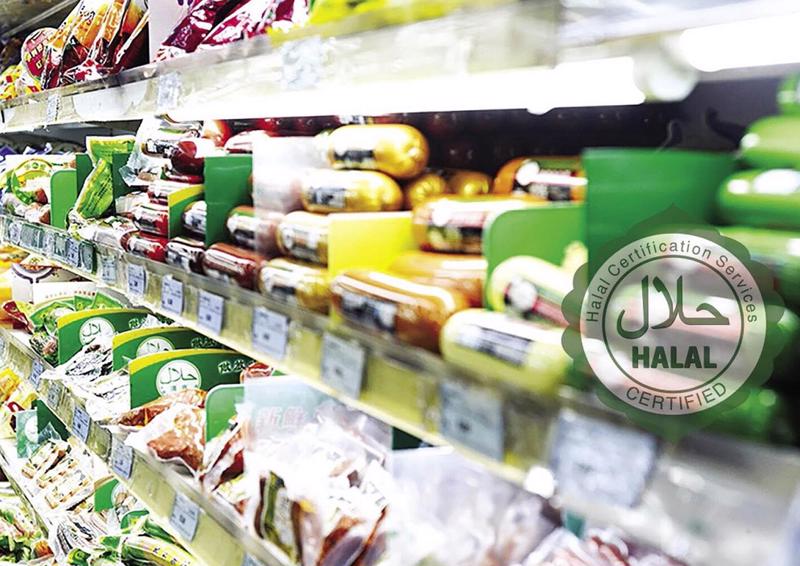
The Middle East market does not impose as stringent technical standards as the EU or the U.S., and customs procedures are relatively simpler, facilitating Vietnamese businesses. However, if Halal is considered a long-term strategy, it requires a coordinated approach involving policy support, logistics systems, trade promotion, and thorough business investment mindset.
Markets like the UAE and Saudi Arabia have large import demands, but to compete with countries like India and Brazil, Vietnamese enterprises need to obtain Halal certification from reputable organizations and improve product quality.
Currently, Vietnamese businesses face several difficulties. Firstly, there is a limited understanding of Islamic consumer culture, leading to ineffective product and marketing strategies. Secondly, the Halal certification process is complicated and inconsistent across countries, requiring businesses to seek certification from multiple organizations, resulting in increased costs and time. Additionally, the food processing sector lacks sufficient personnel knowledgeable about Halal standards, and sources of certified Halal raw materials remain limited.
Businesses need to invest in training and raising awareness about Halal standards and Islamic consumer culture. At the same time, they should build management systems that meet Halal requirements, ensure hygiene, food safety, and clear traceability. Collaborating with reputable Halal raw material suppliers will help maintain consistent quality and build a sustainable supply chain.
Furthermore, developing appropriate marketing strategies and leveraging specialized sales channels such as Halal trade fairs, e-commerce platforms, and B2B marketplaces will help directly connect with international partners and expand markets.
(vasep.com.vn) The global tilapia market continues to grow, creating significant opportunities for countries with strengths in aquaculture, processing, and exports. Against this backdrop, Vietnam’s tilapia industry is gradually developing toward higher quality, greater product diversification, and broader market reach. At Vietfish 2026, the Vietnam Association of Seafood Exporters and Producers (VASEP), together with the VASEP Tilapia Producers and Exporters Club, will host a joint booth to promote the image and potential of Vietnamese tilapia to domestic and international buyers.
(seafood.vasep.com.vn) Vietnam’s seafood exports are heading towards $12 billion this year, potentially the highest level on record. Yet one of the country’s export strengths is facing a growing list of challenges.
(seafood.vasep.com.vn) The first six months of 2026 indicate that Vietnam’s tilapia industry is entering a new phase of development, with strong export growth but also greater demands for production scale, quality and international competitiveness.
(seafood.vasep.com.vn) Vietfish 2026, the Vietnam International Seafood Exhibition, will officially take place from 19–21 August 2026 in Ho Chi Minh City. As Vietnam’s largest annual seafood trade event, organized by the Vietnam Association of Seafood Exporters and Producers (VASEP), Vietfish 2026 will once again bring together leading seafood companies, industry experts, and international partners from across the global seafood value chain.
(seafood.vasep.com.vn) Vietnam’s seafood exports reached USD 1.1 billion in July 2026, up 4.8% compared to the same period in 2025. Cumulative exports in the first seven months of the year totaled nearly USD 6.86 billion, an increase of 11.5% year-on-year. Exceeding the USD 1 billion mark in July further reinforces the prospect that Vietnam’s seafood exports could surpass USD 12 billion in 2026. However, the July figures also send a clear signal that the most favorable growth period may have passed: overall export growth slowed to just 4.8%, pangasius exports fell 6.1%, tuna exports were virtually flat, while exports to the EU, South Korea, and the Middle East all recorded double-digit declines.
(vasep.com.vn) As part of the Vietnam Fisheries International Exhibition (Vietfish 2026), the seminar "Global Seafood Market and the Future Workforce: Trends, Opportunities, and Sustainable Development Pathways for Vietnam's Seafood Industry" will take place from 2:00 p.m. to 4:15 p.m. on August 19, 2026, at Convention Room B, Level 2, SECC, Ho Chi Minh City. This is the first of five specialized seminars at Vietfish 2026, focusing on key issues that are shaping the long-term development of Vietnam's seafood industry.
(seafood.vasep.com.vn) Vietnamese seafood exports recorded impressive growth, generating nearly 6 billion USD in revenue during the first six months of the year, up 13% compared with the same period last year.
(seafood.vasep.com.vn) Fishermen in Ha Tinh are gradually overcoming difficulties to maintain the efficiency of seafood exploitation. In the first six months of 2026, the entire province achieved a production of more than 23,000 tons of seafood, worth more than 1,200 billion VND.
(seafood.vasep.com.vn) June 2026 brought encouraging signs for Vietnam's tuna exports, with export value rising 20% year-on-year to nearly USD 72 million. However, this increase has yet to offset the prolonged slowdown seen in key markets such as the European Union (EU), where import demand remains weak. The outlook for the second half of the year is expected to become more challenging as freight rates continue to climb.
(vasep.com.vn) As part of the Vietnam Fisheries International Exhibition (Vietfish 2026), the Vietnam Association of Seafood Exporters and Producers (VASEP), in collaboration with the Agency for Domestic Market Management and Development under the Ministry of Industry and Trade, will organize the Domestic Seafood Supply–Demand Matching Program on the morning of August 20, 2026, at the Saigon Exhibition and Convention Center (SECC), Ho Chi Minh City. The program aims to foster direct business connections between Vietnamese seafood producers and processors and domestic distributors, retailers, and foodservice channels.
VASEP - HIỆP HỘI CHẾ BIẾN VÀ XUẤT KHẨU THỦY SẢN VIỆT NAM
Chịu trách nhiệm: Ông Nguyễn Hoài Nam - Phó Tổng thư ký Hiệp hội
Đơn vị vận hành trang tin điện tử: Trung tâm VASEP.PRO
Trưởng Ban Biên tập: Bà Phùng Thị Kim Thu
Giấy phép hoạt động Trang thông tin điện tử tổng hợp số 138/GP-TTĐT, ngày 01/10/2013 của Bộ Thông tin và Truyền thông
Tel: (+84 24) 3.7715055 – (ext.203); email: kimthu@vasep.com.vn
Trụ sở: Số 7 đường Nguyễn Quý Cảnh, Phường An Phú, Quận 2, Tp.Hồ Chí Minh
Tel: (+84) 28.628.10430 - Fax: (+84) 28.628.10437 - Email: vasephcm@vasep.com.vn
VPĐD: số 10, Nguyễn Công Hoan, Ngọc Khánh, Ba Đình, Hà Nội
Tel: (+84 24) 3.7715055 - Fax: (+84 24) 37715084 - Email: vasephn@vasep.com.vn