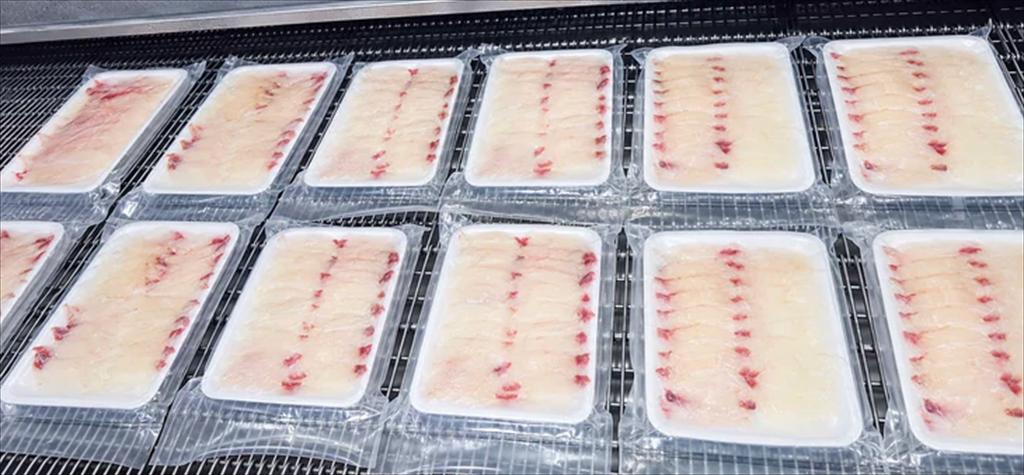
Since early 2026, Vietnam Clean Seafood Corporation, based in Can Tho City, has been supplying tilapia fillets to the Japanese market for raw consumption, marking a new development for Vietnam’s tilapia industry.
The company has invested in a dedicated farming and processing model, combining brackish-water aquaculture, strict water-quality control, traceability and specialized processing technology to meet the requirements of Japanese buyers.
From conventional whitefish to premium product
Tilapia has traditionally been positioned as an affordable whitefish for mass-market consumption. However, the use of Vietnamese tilapia for sushi and sashimi opens a new value-added direction for the sector.
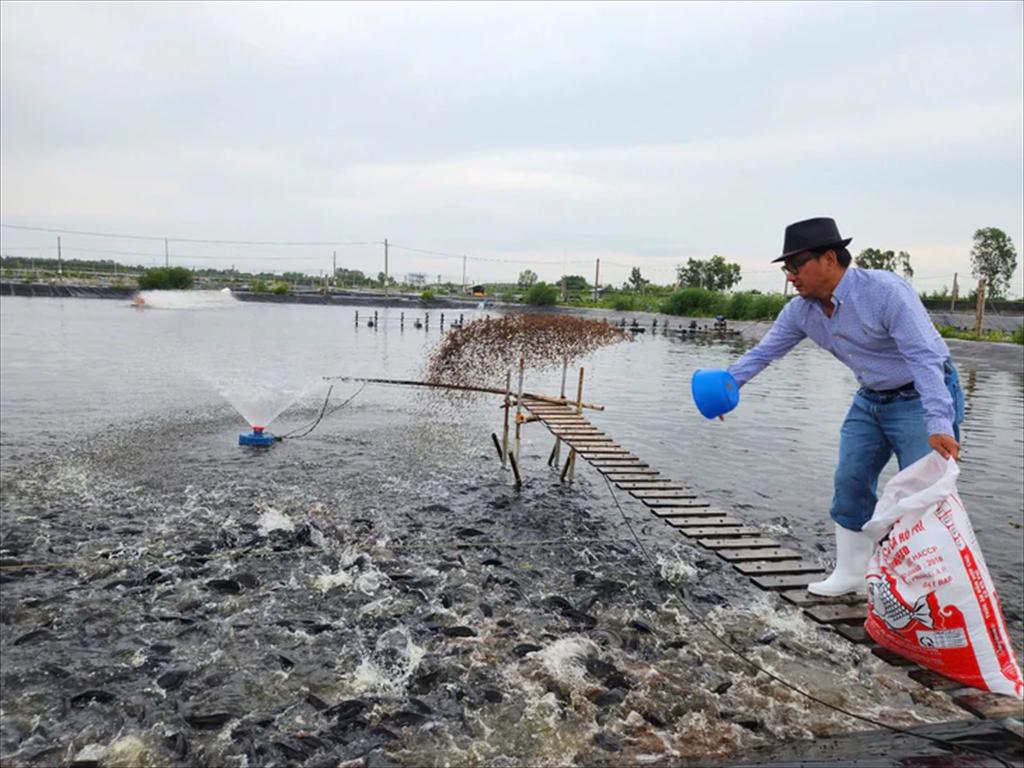
Vietnam Clean Seafood Corporation currently manages around 300 hectares of aquaculture area, including approximately 40 hectares used for monosex tilapia farming.
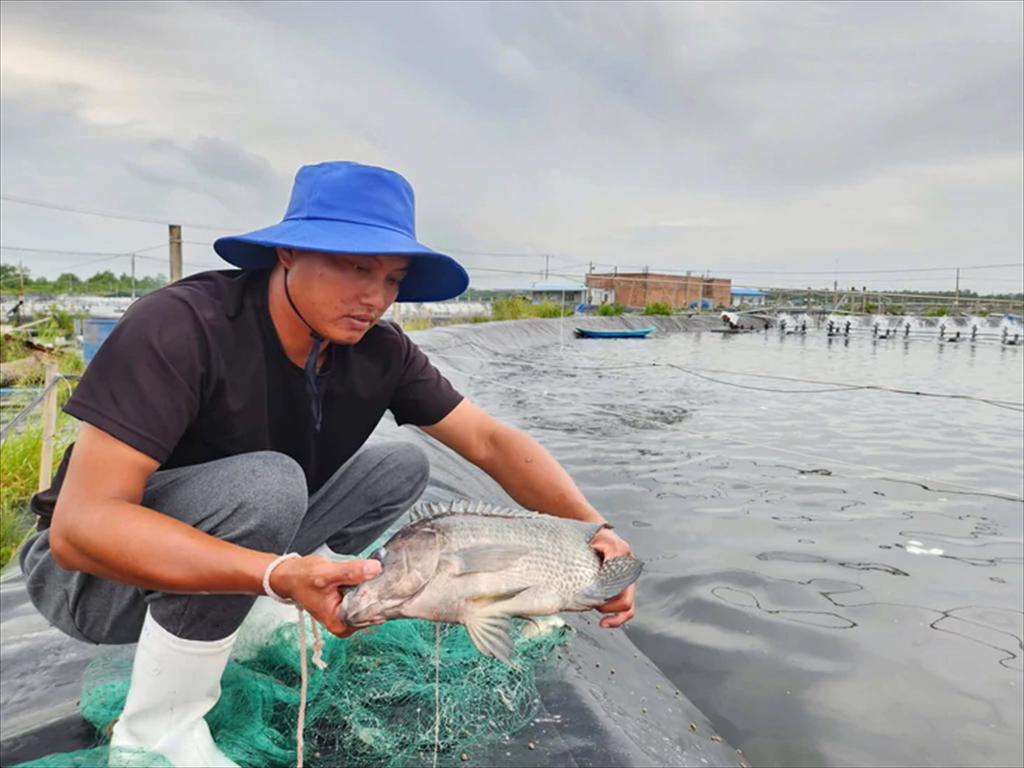
Unlike conventional freshwater tilapia production, the company raises fish in brackish-water farming areas traditionally associated with shrimp aquaculture.
This farming model is intended to produce fish with firmer texture and cleaner flavour, while also making use of existing aquaculture infrastructure in coastal areas of the Mekong Delta.
According to the company, Japanese buyers apply strict controls over farming conditions, fish quality and traceability. Samples from individual ponds are tested before harvesting is approved.
After initial trial shipments, Vietnamese tilapia fillets have been exported regularly to Japan since February 2026, with market demand reportedly exceeding the company’s current supply capacity.
Longer production cycle and tighter quality control
Tilapia destined for sashimi requires a different farming process from fish produced for conventional frozen fillet markets.
While commercial tilapia is often harvested after four to five months, fish for the Japanese sashimi segment are raised for around eight to nine months, with harvest weight reaching at least approximately 1.7 kg per fish.
The longer farming cycle requires stricter control of water quality, feeding and fish health.
Water management is particularly important because off-flavours can significantly affect the suitability of the fish for raw consumption.
After harvesting, fish are transported rapidly to the processing facility in oxygenated tanks to maintain freshness and product quality.
Technology supports quality and traceability
Technology is an important part of the production model.
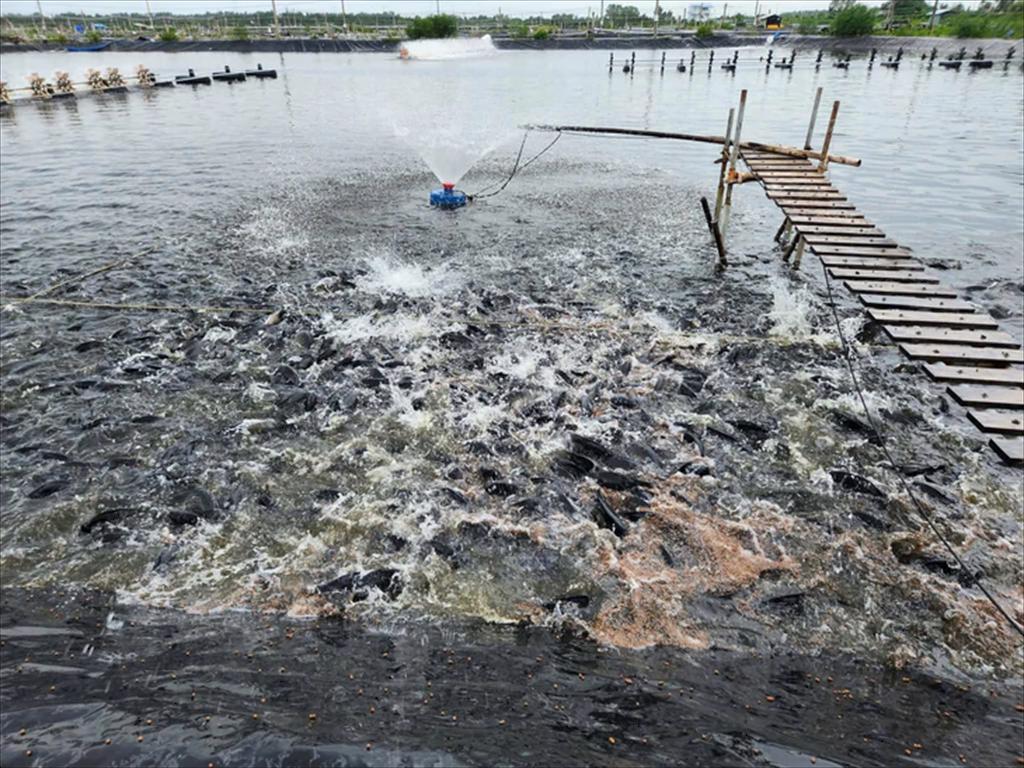
Farming ponds are equipped with standardized aeration systems, while automatic water monitoring and feeding systems are being tested.
The company is also developing microbial products for water treatment and experimenting with different farming models, including lined ponds and rotation between shrimp and tilapia.
The objective is to establish a more controlled production system that reduces operating risks and provides consistent quality for export markets.
New potential for Vietnamese tilapia
Japan is considered one of the world’s most demanding seafood markets in terms of food safety, quality, freshness and traceability.
The entry of Vietnamese tilapia into the sushi and sashimi segment therefore represents more than a new export product. It demonstrates the potential for Vietnam to move tilapia away from a purely commodity-based position and toward higher-value market segments.
According to VASEP data, Vietnam’s tilapia exports have continued to expand in 2026, while exporters are increasingly exploring opportunities in the United States, Japan and other high-value markets.
For Japan in particular, frozen fillets remain an important product category, but processed and value-added products are showing increasing potential.
The development of sashimi-grade tilapia could also create new opportunities for coastal aquaculture areas in the Mekong Delta, where shrimp ponds and existing infrastructure may be adapted for diversified production.
Vietnam Clean Seafood Corporation plans to expand raw material supply through cooperation with surrounding farmers once standardized farming protocols are completed. The company is also looking to strengthen integration across feed production, farming, processing and exports.
For Vietnam’s seafood industry, the model highlights a possible new direction for tilapia development: moving from low-cost whitefish toward differentiated, traceable and higher-value products for demanding international markets.
Source: Adapted from Tuoi Tre. Additional market information: VASEP.
(vasep.com.vn) Markets are changing faster, buyer requirements are becoming more demanding, and trade barriers are growing increasingly complex. In this environment, seafood businesses need more than an understanding of current market conditions. They need a longer-term perspective to answer a critical question: Where will growth opportunities come from in 2027–2029, and what should businesses do now to prepare? This is one of the key reasons why VASEP is organizing Vietnam Seafood Summit 2026.
(vasep.com.vn) In the first eight months of 2026, Vietnam’s pangasius exports to the Middle East reached US$113 million, up 7% year on year from the same period in 2025. Growth has become more pronounced in recent months. In August alone, exports to the region totaled US$20 million, an increase of 24%. This indicates that demand for Vietnamese pangasius in the Middle East is gradually recovering after a slowdown in March, although the pace of recovery varies across markets.
(vasep.com.vn) China’s shrimp imports continued to grow strongly in 2026, while Vietnam’s shrimp exports to the market also recorded notable growth. However, behind these positive figures lie two distinct trends: Chinese consumption is growing more slowly than imports, and lobster accounts for a substantial share of Vietnam’s shrimp exports to China, making its product mix significantly different from those of Ecuador and India. Exporters therefore need to assess each segment carefully to understand the opportunities and risks.
(vasep.com.vn) Changing markets, shifting buyer demand, and increasingly complex trade barriers are raising a key question for Vietnam’s seafood industry: Where will the new growth opportunities lie in 2027–2029?
(seafood.vasep.com.vn) As of the end of August 2026, Vietnam’s tilapia exports to the United States reached $21 million, representing a steep 48% year-over-year decline and accounting for 23% of the country's total tilapia export turnover. Frozen fillets accounted for 78% with the remainder consisting of whole frozen tilapia and frozen cuts.
(seafood.vasep.com.vn) After a volatile first half of the year, Vietnam’s pangasius exports to Brazil registered robust growth in July and August 2026. In August alone, export turnover reached $19 million, surging 73% compared to the same period in 2025. Cumulatively for the first eight months, total export value reached $124 million, reflecting an 8% year-over-year increase.
(seafood.vasep.com.vn) Besides modifying their boats, many fishermen in Dak Lak province are making efforts to venture out to sea to harvest seafood during the rough sea season.
(seafood.vasep.com.vn) At the Responsible Seafood Summit and TCRS Shrimp Summit 2026, organized by the GSA (Global Seafood Alliance) in Bangkok, Thailand, the conversation about the future of the shrimp industry began with one of its most important foundations: seedstock quality.
(seafood.vasep.com.vn) In the first eight months of 2026, Vietnam’s tuna exports to Lithuania surpassed $14 million, up 8% year on year. While the increase remains modest, it is notable given the continued pressure on Vietnamese tuna exports to the EU as a whole. More importantly, export turnover to Lithuania has shown a clearer recovery in recent months, making the market a destination worth monitoring for Vietnamese businesses in Europe.
(seafood.vasep.com.vn) Vietnam’s squid and octopus exports exceeded $527 million in the first eight months of 2026, marking a 15% year-on-year increase. This growth is particularly notable given the strong baseline established in 2025, when export turnover for the same period reached $458 million, a 13% rise from 2024.
VASEP - HIỆP HỘI CHẾ BIẾN VÀ XUẤT KHẨU THỦY SẢN VIỆT NAM
Chịu trách nhiệm: Ông Nguyễn Hoài Nam - Phó Tổng thư ký Hiệp hội
Đơn vị vận hành trang tin điện tử: Trung tâm VASEP.PRO
Trưởng Ban Biên tập: Bà Phùng Thị Kim Thu
Giấy phép hoạt động Trang thông tin điện tử tổng hợp số 138/GP-TTĐT, ngày 01/10/2013 của Bộ Thông tin và Truyền thông
Tel: (+84 24) 3.7715055 – (ext.203); email: kimthu@vasep.com.vn
Trụ sở: Số 7 đường Nguyễn Quý Cảnh, Phường An Phú, Quận 2, Tp.Hồ Chí Minh
Tel: (+84) 28.628.10430 - Fax: (+84) 28.628.10437 - Email: vasephcm@vasep.com.vn
VPĐD: số 10, Nguyễn Công Hoan, Ngọc Khánh, Ba Đình, Hà Nội
Tel: (+84 24) 3.7715055 - Fax: (+84 24) 37715084 - Email: vasephn@vasep.com.vn