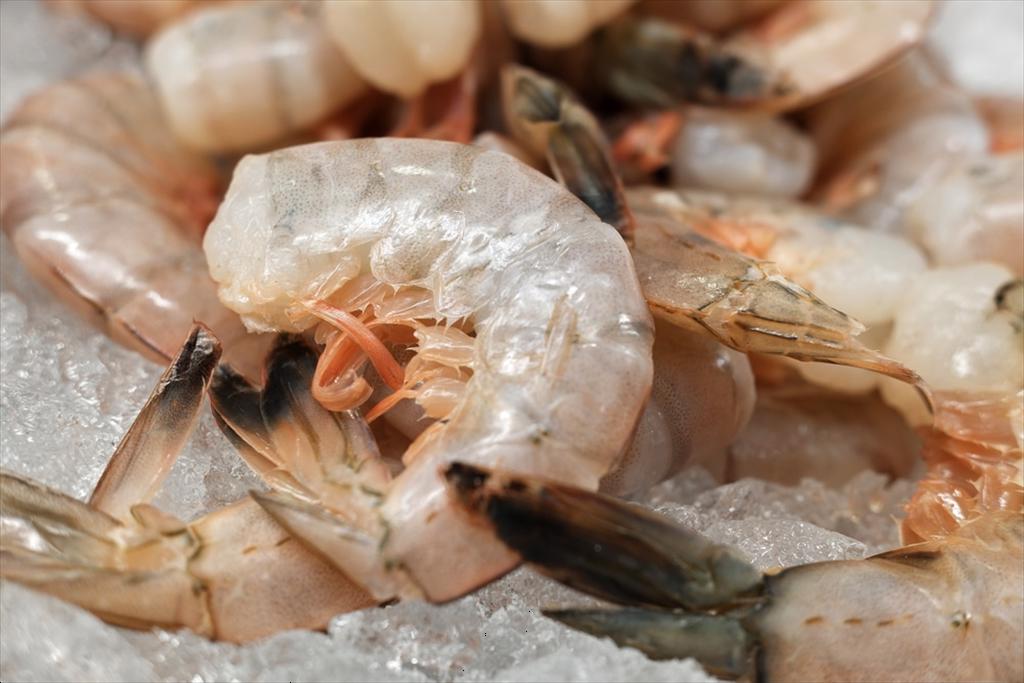
Previously, shrimp prices remained at relatively high levels at the end of 2025, creating positive expectations for the market. However, when the harvest season began, prices declined while feed and production input costs increased significantly, raising concerns about potential losses and causing many farmers to delay stocking.
Currently, shrimp feed prices have increased by an average of VND 1,600–2,600 per kilogram, while some premium feed products have risen by as much as VND 10,000 per kilogram. Other farming inputs, including plastic liners, chlorine, and biological products, have also recorded price increases, adding further pressure to production costs.
Since May, prices for whiteleg shrimp (Litopenaeus vannamei) sized 20–30 shrimp per kilogram have risen to VND 130,000–186,000 per kilogram.
Supported by improving prices and stronger market demand, shrimp farming areas across the Mekong Delta are expected to expand in the coming months. Nevertheless, risks associated with the upcoming rainy season continue to pose significant challenges for producers.
(seafood.vasep.com.vn) Vietnam's pangasius exports reached USD 205 million in June 2026, up 5% compared with the same month in 2025. Cumulative export value for the first six months of the year totaled USD 1.1 billion, an increase of 12% year-on-year. Growth was primarily driven by strong demand from China and CPTPP markets, while exports to the United States and Brazil continued to decline.
(seafood.vasep.com.vn) In the first six months of 2026, Ha Tinh province continued to implement comprehensive solutions to combat IUU fishing; strictly manage the fishing fleet, control fishing vessels entering and leaving ports, operate vessel tracking devices, trace the origin of seafood, and severely punish violations.
(seafood.vasep.com.vn) Vietnam's tilapia exports reached USD 7 million in June 2026, down 32% compared with the same month in 2025. Nevertheless, thanks to strong growth in the first five months of the year, cumulative tilapia exports in the first half of 2026 totaled USD 69 million, up 67% year on year.
(seafood.vasep.com.vn) Sa Giang Import-Export Joint Stock Company, a member of the Vietnam Association of Seafood Exporters and Producers (VASEP), has been honored with the "Famous Brand - Competitive Vietnamese Brand 2026" certification at an award ceremony organized by the Vietnam Intellectual Property Association (VIPA).
(seafood.vasep.com.vn) China imported nearly $1.4 billion worth of Vietnamese seafood in the first half of the year, a 40% increase compared to the same period last year, surpassing the US to become the largest export market for the industry.
(seafood.vasep.com.vn) As part of Vietfish 2026, the International Seafood Hosted Buyer Program has been designed as a dedicated B2B matchmaking initiative for selected international buyers. The program provides opportunities to meet directly with Vietnamese seafood companies, gain market insights, and experience Vietnam's seafood supply chain firsthand.
(seafood.vasep.com.vn) A Story from Cà Mau’s Coast It’s 5 AM in Cà Mau. Minh, a third-generation fisherman, is ready to set sail. But unlike his father and grandfather, his boat no longer runs on an old diesel engine that burns fuel and clouds the sky with smoke. Instead, it’s powered by a hybrid engine that saves 40% fuel—funded by an ESG program from a major seafood exporter.
(seafood.vasep.com.vn) Vietnam's pangasius industry is shifting its focus from increasing production volume to enhancing value-added products in order to meet the increasingly stringent requirements of export markets. In An Giang Province—the country's leading hub for pangasius farming and processing—businesses and farmers are prioritizing product quality, traceability, food safety, and sustainable development rather than expanding output.
(seafood.vasep.com.vn) Following strong growth in 2025, Vietnam’s tuna exports to Sweden continued to edge higher during the first five months of 2026. However, the picture is far from straightforward. Orders have fluctuated significantly from month to month, indicating that this market remains cautious, with purchasing decisions closely tied to actual demand and the import cycles of Nordic distributors rather than to a steady upward trend.
(seafood.vasep.com.vn) China’s shrimp imports in the first five months of 2026 continued to surpass the same period in 2025, indicating that demand in the world’s largest seafood-consuming market remains strong. However, behind the growth figures lies an increasingly competitive landscape: Ecuador dominates the competitively priced whiteleg shrimp segment, India remains the second-largest supplier, while Vietnam stands out in the lobster segment but still needs to strengthen its advantages through quality, traceability, and reliable supply.
VASEP - HIỆP HỘI CHẾ BIẾN VÀ XUẤT KHẨU THỦY SẢN VIỆT NAM
Chịu trách nhiệm: Ông Nguyễn Hoài Nam - Phó Tổng thư ký Hiệp hội
Đơn vị vận hành trang tin điện tử: Trung tâm VASEP.PRO
Trưởng Ban Biên tập: Bà Phùng Thị Kim Thu
Giấy phép hoạt động Trang thông tin điện tử tổng hợp số 138/GP-TTĐT, ngày 01/10/2013 của Bộ Thông tin và Truyền thông
Tel: (+84 24) 3.7715055 – (ext.203); email: kimthu@vasep.com.vn
Trụ sở: Số 7 đường Nguyễn Quý Cảnh, Phường An Phú, Quận 2, Tp.Hồ Chí Minh
Tel: (+84) 28.628.10430 - Fax: (+84) 28.628.10437 - Email: vasephcm@vasep.com.vn
VPĐD: số 10, Nguyễn Công Hoan, Ngọc Khánh, Ba Đình, Hà Nội
Tel: (+84 24) 3.7715055 - Fax: (+84 24) 37715084 - Email: vasephn@vasep.com.vn