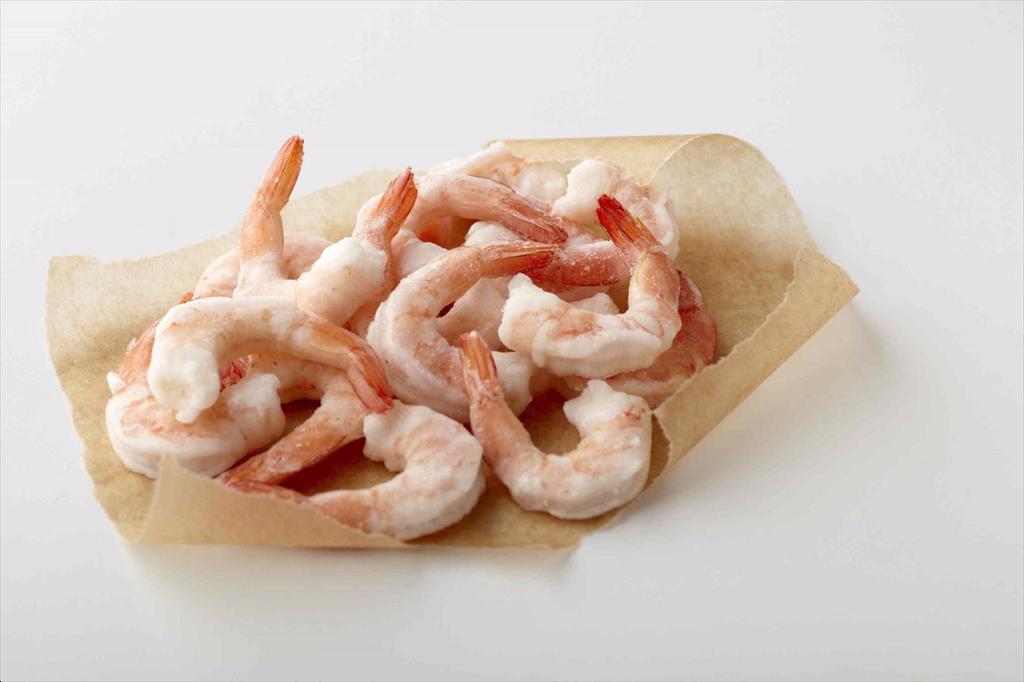
In terms of product structure, whiteleg shrimp remained the largest contributor with USD 573 million, accounting for 53.6% of total exports and rising 6.3%. Black tiger shrimp reached USD 80.7 million, up 10.8%. The most notable growth came from the “other shrimp” category, which totaled nearly USD 415 million, up 39.3%. Of this, lobster alone reached USD 345.5 million, surging 57.4% and becoming the key growth driver in the quarter. This indicates that while whiteleg shrimp remains the foundation of the industry, short-term growth is clearly driven by lobster and other high-value shrimp products.
By market, China and Hong Kong continued to lead growth, with exports reaching USD 440.1 million, up 57.2%, accounting for over 41% of Vietnam’s total shrimp exports. This market alone imported USD 341.6 million worth of Vietnamese lobster, up 58.4%, equivalent to 77.6% of total shrimp exports to China and Hong Kong. Meanwhile, exports to the EU reached USD 120.4 million, up 16.7%; CPTPP markets totaled USD 270.2 million, up 5%; Taiwan rose 59.2%; and ASEAN increased 38.6%, providing additional support for overall growth. In contrast, exports to the U.S. dropped sharply by 28.8% to USD 95.8 million; South Korea declined 1.4%; and markets such as Russia and Switzerland also continued to fall. Overall, Q1 data shows that growth is heavily dependent on China and a few alternative markets, while traditional markets remain slow to recover.
In the U.S., anti-dumping duties continue to be a major barrier for Vietnamese shrimp. Ongoing reviews of countervailing duties and risks of reciprocal tariffs have also made importers more cautious.
Another significant pressure comes from production and logistics costs. In Q1/2026, domestic shrimp prices generally declined toward the end of the quarter, while costs for feed, inputs, and transportation remained high. The conflict in Iran and tensions in the Middle East have continued to push up global energy and logistics costs, eroding profit margins and competitiveness for exporters.
Outlook for Q2/2026
In Q2/2026, Vietnam’s shrimp exports are likely to continue showing strong divergence. China and Hong Kong will remain the main growth drivers, especially for lobster and live/fresh shrimp, although growth may slow after the early-year peak season. The EU may continue to grow but is unlikely to maintain the same pace as in Q1, as buyers become more cautious and price competition from Ecuador and India intensifies. Japan and South Korea are expected to remain stable, with opportunities concentrated in processed and convenience products. The U.S. market may see some improvement toward the end of the quarter if uncertainty around tariff reviews eases, but overall it will still face pressure from tariffs, price competition, and logistics costs.
For the full year 2026, if no major policy shocks occur and domestic raw material supply is not severely disrupted by disease or high input costs, Vietnam’s shrimp exports could still achieve positive growth. However, growth is likely to remain uneven across quarters and markets. The industry will need to rely on two pillars: leveraging demand from China and high-value segments such as lobster, while strengthening the competitiveness of whiteleg and black tiger shrimp in key markets like the U.S., EU, Japan, and South Korea. As Ecuador continues to maintain a cost advantage and India remains a strong competitor in scale, Vietnam’s sustainable advantage will lie in deep processing, consistent quality, flexible supply capabilities, and increasingly strong compliance standards.
(seafood.vasep.com.vn) Vietnam Clean Seafood Corporation has invested in a 280-hectare super-intensive shrimp farming zone in Tran De Commune, Can Tho City, generating export value of approximately VND 3 billion per hectare per year—around 50 times higher than traditional agricultural production.
(vasep.com.vn) Vietnam’s seafood exports reached USD 1.02 billion in May 2026, up 0.6% year-on-year. Cumulative exports in the first five months of 2026 totaled USD 4.67 billion, an increase of 11% compared to the same period in 2025.
(seafood.vasep.com.vn) In a rapidly changing global seafood market, timely insights and reliable data are more critical than ever. The Report on Vietnam Seafood Exports in Q1/2026 provides a comprehensive overview of the latest developments in Vietnam’s seafood production, trade performance, and export trends, helping businesses navigate uncertainty and identify new growth opportunities.
(seafood.vasep.com.vn) While many major markets continue to experience slow growth, Russia has emerged as a brighter destination for Vietnamese tuna exports in early 2026. Export turnover to this market increased by nearly 55% in the first four months of the year, indicating a clear improvement in demand. Nevertheless, Russia remains a market that should be viewed with both optimism and caution.
(seafood.vasep.com.vn) Vietnam’s pangasius exports have shown encouraging signs of recovery in 2026. In the first four months of the year, total export turnover reached USD 720 million, up 17% compared to the same period last year. This result reflects improving demand across many markets, as well as the efforts of Vietnamese pangasius enterprises to maintain production, secure orders, and adapt to changing market conditions.
(seafood.vasep.com.vn) In the first four months of 2026, Vietnam’s tilapia exports reached USD 49 million, up 151% compared to the same period in 2025. This impressive growth reflects positive momentum in the tilapia sector, with Brazil emerging as a key driver of growth, while frozen tilapia fillets continued to be the industry's leading export product.
(seafood.vasep.com.vn) Vietnam’s tuna exports to the UK have shown positive signs in the first months of 2026. While the UK’s overall tuna imports from the world declined, imports from Vietnam increased strongly, indicating that there is still room for Vietnam to expand its market share. However, behind this growth, competitive pressure remains intense, especially as the UK continues to be a major market for established suppliers such as Ecuador, Mauritius, and Ghana.
(seafood.vasep.com.vn) Biofloc technology is being piloted in several rice–shrimp farming models in Ca Mau Province, showing initial positive results in controlling pond environments, improving shrimp seed quality, and supporting sustainable aquaculture development.
(seafood.vasep.com.vn) In the first four months of 2026, Mexico, Brazil, and Colombia together contributed USD 108 million to Vietnam’s pangasius exports, accounting for around 15% of the industry’s total export turnover. Amid tightening global whitefish supply and slowing demand in several traditional markets, Latin America is increasingly becoming an important expansion destination for the sector.
(seafood.vasep.com.vn) Alongside the development of high-tech shrimp farming, Ha Tinh Province is accelerating the cultivation of high-value freshwater aquatic species, with red tilapia emerging as an effective and sustainable farming model.
VASEP - HIỆP HỘI CHẾ BIẾN VÀ XUẤT KHẨU THỦY SẢN VIỆT NAM
Chịu trách nhiệm: Ông Nguyễn Hoài Nam - Phó Tổng thư ký Hiệp hội
Đơn vị vận hành trang tin điện tử: Trung tâm VASEP.PRO
Trưởng Ban Biên tập: Bà Phùng Thị Kim Thu
Giấy phép hoạt động Trang thông tin điện tử tổng hợp số 138/GP-TTĐT, ngày 01/10/2013 của Bộ Thông tin và Truyền thông
Tel: (+84 24) 3.7715055 – (ext.203); email: kimthu@vasep.com.vn
Trụ sở: Số 7 đường Nguyễn Quý Cảnh, Phường An Phú, Quận 2, Tp.Hồ Chí Minh
Tel: (+84) 28.628.10430 - Fax: (+84) 28.628.10437 - Email: vasephcm@vasep.com.vn
VPĐD: số 10, Nguyễn Công Hoan, Ngọc Khánh, Ba Đình, Hà Nội
Tel: (+84 24) 3.7715055 - Fax: (+84 24) 37715084 - Email: vasephn@vasep.com.vn